








Distribution Centres
Coordinating shipments between producers, processors, distributors, and retailers.

Transportation
Moving food efficiently by truck, rail, air, and marine transportation.

Cold Chain
Temperature-controlled storage and transportation protecting perishable foods.

Warehousing
Managing inventory to balance supply, demand, and seasonal availability.

Traceability
Tracking food movement across Canada’s food supply chain.

Distribution and Transportation
Connecting Food Across Canada
Canada’s food supply chain connects producers, processors, manufacturers, distributors, retailers, food service providers, and communities across the food system. Every shipment, warehouse, and transportation route helps ensure Canadians have access to safe, high-quality food year-round. Despite Canada’s size and diverse geography, the food supply chain is designed to move products efficiently while maintaining food safety and quality.
“I so appreciate all the farmers who supply us with the freshest vegetables!”
– Toula B.
107M tonnes
Record Canadian grain harvest
In the 2025–26 crop year
31.1M tonnes
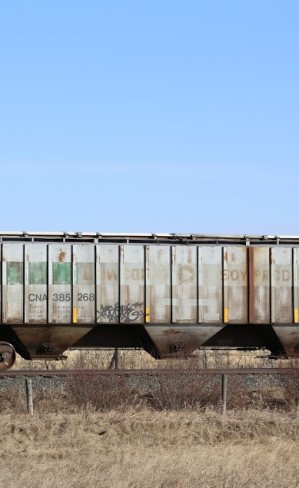
Wheat moved by rail
Across Canada in 2025
7.8M tonnes
Other cereal grains moved by rail
Across Canada in 2025
Why It Matters
How Food Connects Through Canada's Food Supply Chain
From farms and processing facilities to retailers and food service, distribution connects the many parts of Canada’s Food System. Transportation, storage, logistics, and inventory management all work together to coordinate the flow of food, ensuring products reach the right places while maintaining the quality, freshness, and food safety Canadians expect.

Distribution centres serve as key hubs within Canada’s food supply chain. They receive products from farms, processors, and manufacturers, then organize and deliver shipments to grocery stores, restaurants, and other food businesses. These networks help match supply with consumer demand while improving efficiency, reducing waste, and keeping food moving across the system.
Canada’s food supply chain relies on trucks, railways, ships, and air transportation to move food between farms, processing facilities, distribution centres, and retailers. Different transportation methods are used depending on the product, distance, and delivery requirements.
Many foods require temperature-controlled transportation and storage to maintain freshness, quality, and food safety. Refrigerated trucks, warehouses, and monitoring systems help ensure products remain within appropriate temperature ranges throughout distribution. Maintaining the cold chain is especially important for perishable foods like meat, dairy, and fresh produce.
Warehouses play an important role in storing food before it reaches retailers, restaurants, and other food service businesses. Inventory management systems help balance supply with demand, reduce food waste, and improve product availability throughout the year. Modern technologies allow businesses to monitor inventory, optimize storage, and respond quickly to changing needs.
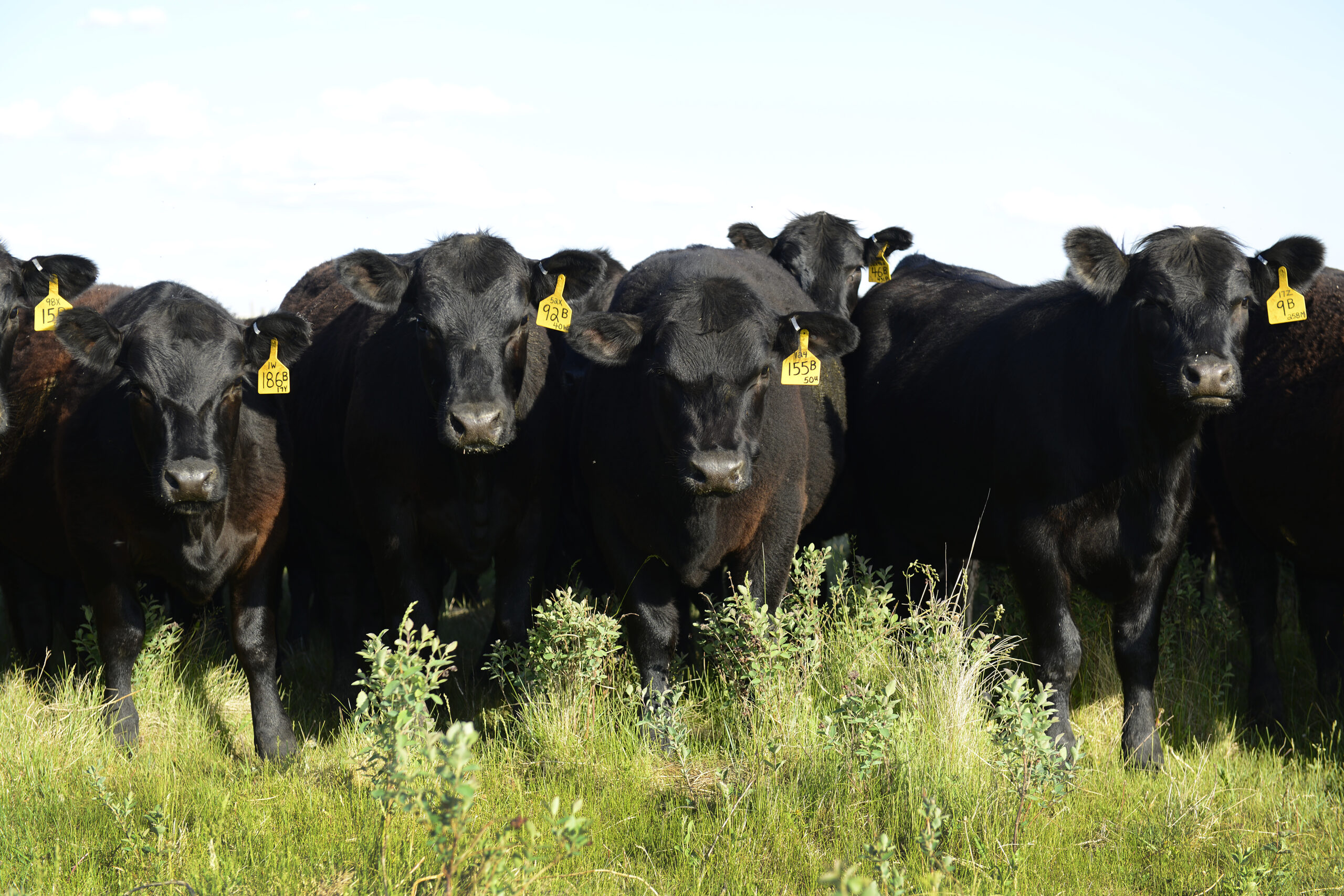
Traceability systems help businesses track where food products have been throughout the food supply chain. By documenting movement between farms, facilities, distributors, and retailers, traceability supports food safety, inventory management, and faster recalls when necessary, improving supply chain transparency.
Canada’s food supply chain is designed to adapt to changing conditions, including seasonal production, weather events, transportation disruptions, and shifting consumer demand. Collaboration across the food system helps strengthen resilience, maintain a reliable food supply, and ensure the continued delivery of safe, high-quality food to Canadians.



Explore Resources
Explore More From Industry Organizations
Learn more from the people, businesses and industries that keep Canada’s Food System moving.
Sorel-Tracey Port Terminal
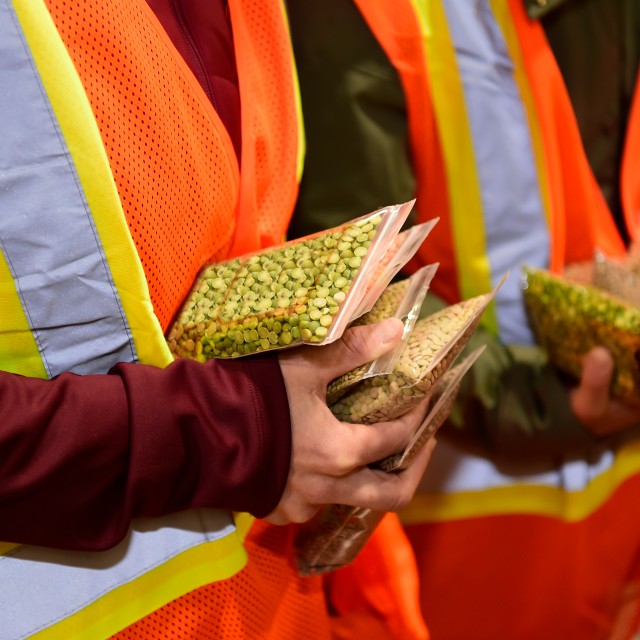
Richardson International is a leader in agriculture and food processing, with vertically integrated operations across North America and beyond.
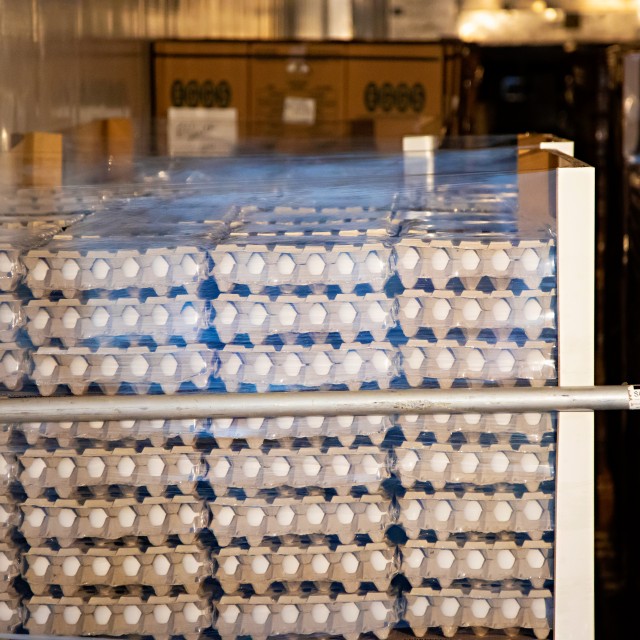
Visit Richardson's siteCanada’s system of supply management keeps eggs fresh and local
Behind every egg on your table is a Canadian farmer.
Visit Egg Farmers of Canada's site
How modernizing Canada’s food and beverage infrastructure can lead to more growth
The Canadian food and beverage industry faced increased U.S. tariffs and other uncertainties in 2025.
Visit MNP's site
Can Canadian agriculture handle trade and supply chain disruptions?
Global supply chains remain on high alert amid changing U.S. trade policy.
Visit FCC's site
 Previous: Testing, Inspection, and Assurance
Component 4 of 8: Distribution and Transportation
Next: Retail and Food Service

Get Involved
Be Part of the Conversation
Learn more about Canada's Food System, share what you've discovered and join thousands of Canadians supporting the people behind our food.

