






Food Standards
Science-based regulations, guidelines, and standards established and enforced by government and regulatory bodies to support food safety across Canada’s Food System.

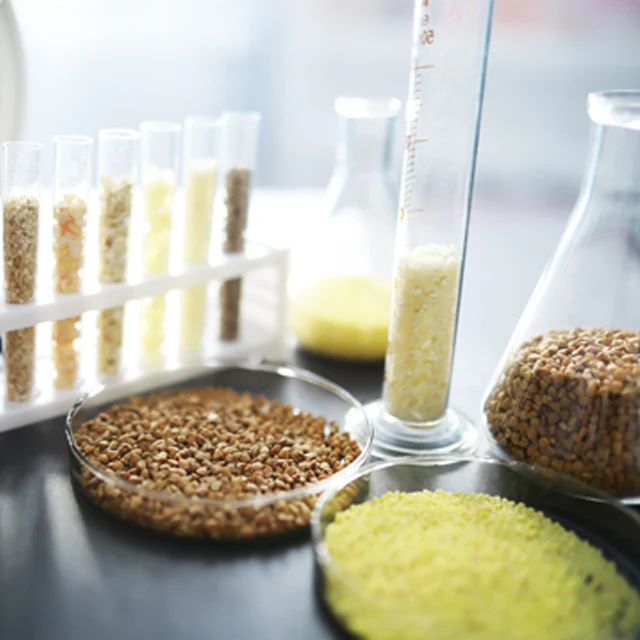
Laboratory Testing
Testing for contaminants, pathogens, product quality, nutritional content, authenticity, and compliance at multiple stages.

Facility Inspections
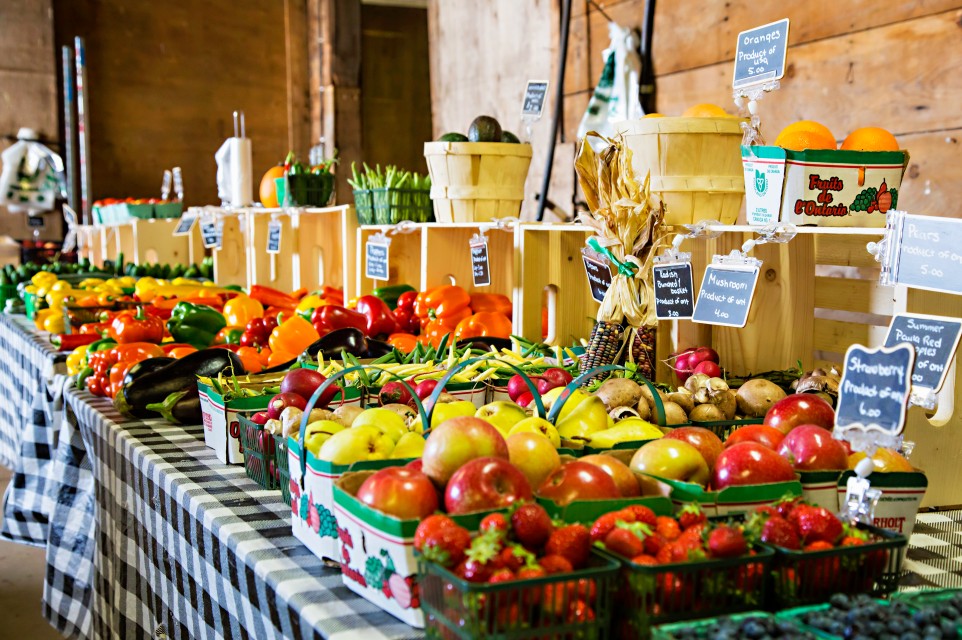
Government and regulatory inspections that verify food businesses meet applicable requirements and food safety standards.

Traceability
Tracking products and ingredients throughout the food supply chain to support food safety, quality, and recall processes.

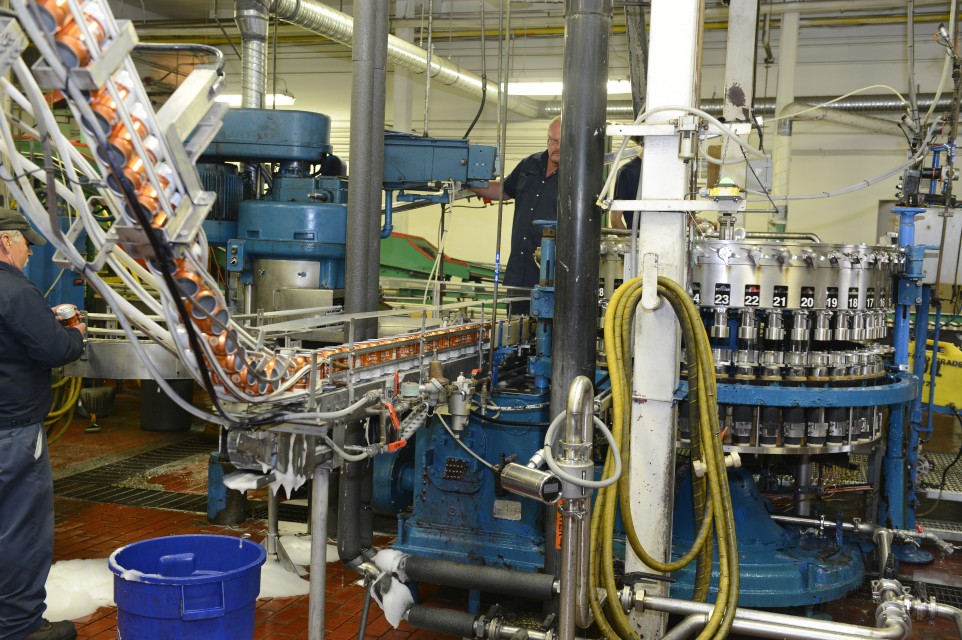
Quality Assurance
Documented systems and processes that help maintain consistent food safety, quality, and production standards.

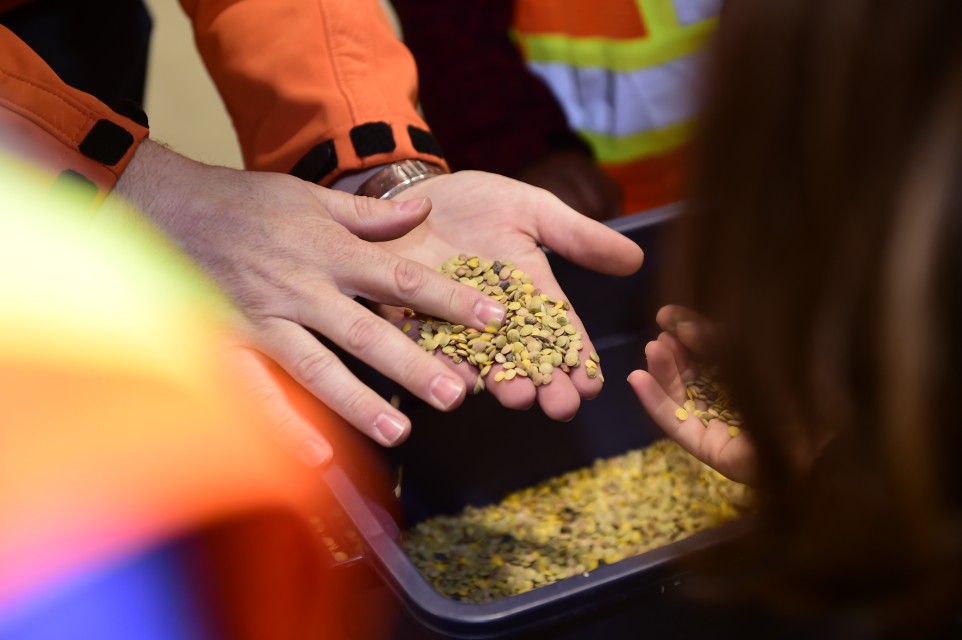
Continuous Monitoring
Ongoing research, auditing, verification, and innovation supporting stronger food safety and quality systems.

Risk Assessment
Using scientific evidence to identify, evaluate, and manage potential food safety risks.

Testing, Inspection, and Assurance
Protecting Canada’s Food Supply
Canada’s food safety system relies on multiple layers of regulation, testing, inspection, and oversight. Health Canada establishes policies and standards related to food safety and nutrition, while the Canadian Food Inspection Agency administers and enforces federal food requirements through inspection, compliance, and other oversight activities. Provincial, territorial, and local authorities also play important roles. These systems work alongside farmers, processors, manufacturers, distributors, and retailers throughout the food system.
“I live in a farming ranching part of NE BC, its vitally important to everyone here”
– Melodie G.
30,168
Food samples collected
By the CFIA for testing in 2025
3,934
Food safety investigations
April 2025 to March 2026
85.8%
Compliance issues addressed
Upon CFIA follow-up in 2024–25
Why It Matters
How Testing, Inspection, and Assurance Work
Canadian food standards rely on multiple systems to identify, manage, and prevent potential risks. A structured, traceable, and continuous series of processes helps ensure food safety requirements are met throughout the supply chain before products reach consumers.

Canada has a comprehensive set of food safety regulations and standards that apply to production, processing, manufacturing, and distribution. At the federal level, Health Canada develops food safety policies and standards, while the Canadian Food Inspection Agency helps enforce applicable requirements through inspection and compliance activities. Provincial and territorial authorities also regulate areas within their jurisdictions.
Across Canada’s food system, food products may be tested for contaminants, pathogens, pesticide residues, and other quality or compliance measures. Lab testing helps verify products meet established Canadian safety requirements. Testing can occur at multiple stages of production, processing, and distribution, supporting ongoing food safety monitoring and compliance.
Government inspection and compliance programs help verify that regulatory requirements are being followed through activities such as facility inspections, record reviews, sampling, and operational assessments. Businesses are responsible for maintaining food safety practices and complying with established requirements throughout the supply chain. Inspection programs provide oversight and work alongside industry quality systems to help support a safe and reliable food system.
Traceability is the ability to track the movement of food, ingredients, or products through all steps of the supply chain. This allows products to be tracked across different stages of the food system, supporting investigations, recalls, and responses if issues arise. It also improves supply chain transparency and responsiveness.
Businesses throughout Canada’s Food System use quality assurance programs to monitor consistency, food safety, quality, and compliance. These programs include documented procedures, employee training, testing, and regular verification to help prevent, identify, and address issues throughout production. Continuous improvement is a key part of effective quality assurance programs.
Explore Quality Assurance
Food safety oversight continues throughout the food system through monitoring, auditing, reporting, and verification activities. Ongoing research, scientific evidence, and new technologies help improve food safety practices over time. Continuous monitoring and improvement support a strong, reliable, and trusted Canadian food system.
Science-based risk assessments help identify, evaluate, and manage potential food safety risks and inform measures to protect consumers. Government scientists, regulators, and other experts use scientific evidence, research and data to understand hazards and inform food safety decisions.


Explore Resources
Explore More From Industry Organizations
Learn more from the people, businesses and industries that keep Canada’s Food System moving.
Traceability
The health of our herds and the safety of the food supply are top priorities for dairy farmers, and traceability is an important part of this commitment.
Visit Dairy Farmers of Canada’s site
Verified Beef Production Plus
In 2023, VBP+ was approved for another grant through Agriculture and Agri-Food Canada’s Agri-Assurance – National Industry Association Component, “Enhancing VBP+ to drive sustainability and market growth in the Canadian beef industry”.
Visit Canadian Cattle Association’s site
Here’s how to identify Canadian eggs
We know Canadians love locally produced food. In fact, 94% of Canadians express they prefer dairy, eggs, chicken and turkey products to be produced locally in Canada under supply management.
Visit Egg Farmers of Canada's site
The Canadian Hatching Egg Producers
The Canadian Hatching Egg Producers are the national representatives for the broiler hatching egg industry in Canada.
Visit Canadian Hatching Egg Producers' site
 Previous: Processing and Manufacturing
Component 3 of 8: Testing, Inspection, and Assurance
Next: Distribution and Transportation

Get Involved
Be Part of the Conversation
Learn more about Canada's Food System, share what you've discovered and join thousands of Canadians supporting the people behind our food.
