








Food Imports
Products that supplement Canadian production and expand consumer choice.

Food Exports
Canadian agricultural products reaching markets around the world.

Trading Partners
International relationships supporting the movement of food across borders.

Food Security
Trade that supports food availability and resilience by balancing supply and demand throughout the year.

Border Logistics
Transportation, customs, and supply chains connecting Canadian producers and businesses with global markets.

Global Markets
International markets creating economic opportunities for Canadian farmers and food businesses.

Trade: Import and Export
Connecting Canada to the Global Food System
Canada’s Food System serves Canadians while also connecting to markets around the world. Different sectors operate in different ways: some primarily supply Canadian consumers, some are strongly export-oriented, and many do both. Imports also complement domestic production and help provide Canadians with a diverse food supply throughout the year. Together, domestic and international markets contribute to a strong and resilient Canadian Food System.
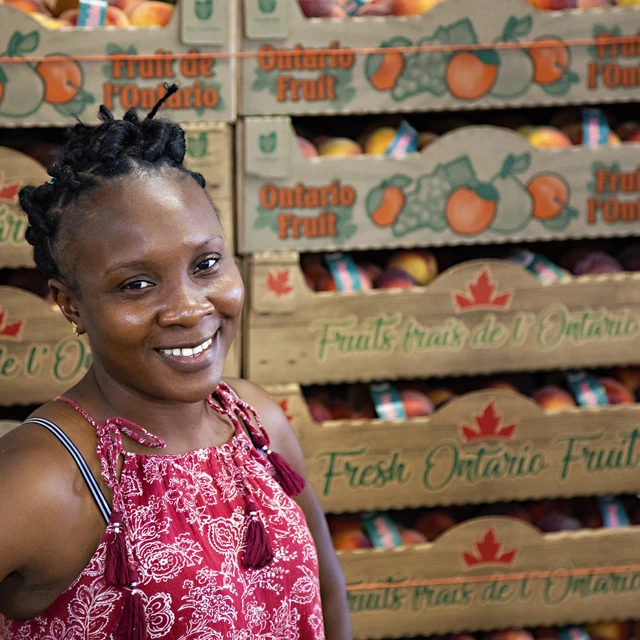
“I love that Canada has high safety rules to protect us. I really appreciate supporting local farmers”
– Teresa A.
$100.3B
Agricultural exports
Canada, 2024
9th
Largest agri-food exporter
Fish and seafood products
1 in 9
Canadians employed
In agri-food
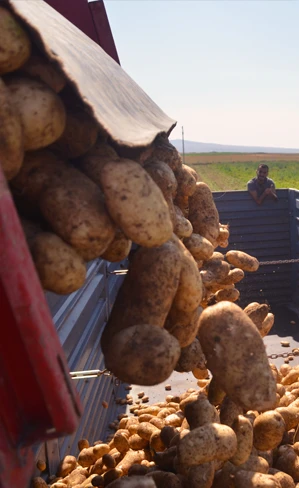
Canadian Trade FAQ
Canada imports food to provide consumers with a wider variety of products throughout the year. Climate, growing seasons, and consumer demand mean some foods are only available through imports, while others help supplement Canadian production when certain crops aren’t in season.
Why It Matters
How Food Trade Supports Canadians
International trade plays an important role in Canada’s Food System. While Canadian farmers produce an incredible variety of food, Canada’s climate, growing seasons, and consumer preferences mean some products are imported while others are exported. Understanding how these trade flows work helps explain why Canadians enjoy access to a wide selection of food throughout the year.

Trade plays different roles across Canada’s Food System. Some sectors primarily serve the Canadian market, while international markets are an important part of the business for others. Imports complement domestic production by providing foods that cannot always be grown or produced in Canada. Together, these different approaches help support food availability, economic opportunity, and a resilient food system.
Some foods are imported because they are difficult or impossible to grow in Canada year-round, while others help supplement domestic production during certain seasons. Imported products expand consumer choice and help maintain consistent food availability throughout the year. Imported food sold in Canada must meet applicable Canadian food safety requirements, with the CFIA providing federal regulatory oversight through import controls, inspection, and compliance activities.
Canada exports a wide range of agricultural products and food ingredients to countries around the world. These exports create opportunities for Canadian farmers, food processors, and manufacturers while helping feed growing global populations. Export markets also support continued investment across Canada’s Food System.
Canada trades food with many countries through long-standing commercial relationships and trade agreements. These partnerships help move food efficiently across borders while supporting businesses throughout the food supply chain. International cooperation also helps strengthen market access for Canadian agriculture.
Trade contributes to food security by helping balance supply and demand throughout the year. Imports can supplement domestic production when needed, while exports create stable markets for Canadian producers. Together, these trade relationships support a more resilient food system that can respond to changing conditions.
Domestic and international markets both contribute to Canada’s food economy. Producers, processors, manufacturers, importers, exporters, transportation companies, retailers, and many other businesses help supply Canadians while, where appropriate, connecting Canadian food and ingredients with markets around the world. Together, these activities support jobs, economic opportunity, and a resilient Canadian food system.


Explore Resources
Explore More From Industry Organizations
Learn more from the people, businesses and industries that keep Canada’s Food System moving.
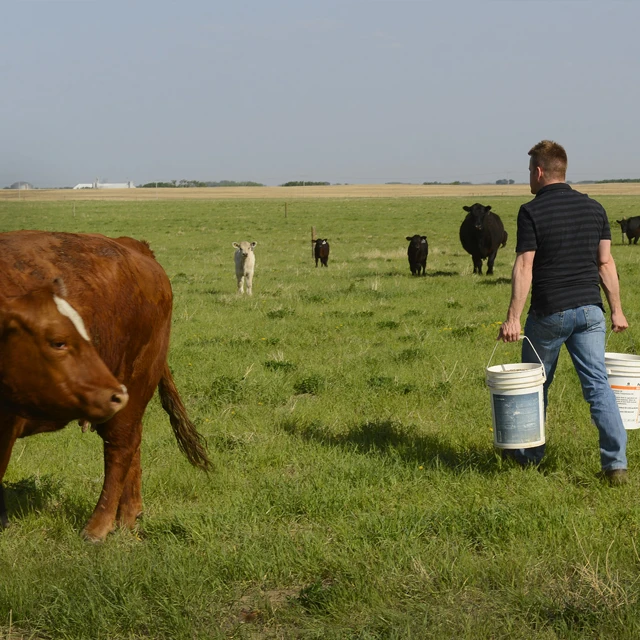
Canola is a trade powerhouse, exporting 90% of production (as seed, oil, and meal) totalling $12.6 billion in 2025.
These exports keep farms successful and help ensure strong rural communities, employment and domestic value-added activities.
Visit Canadian Canola Growers Association's site
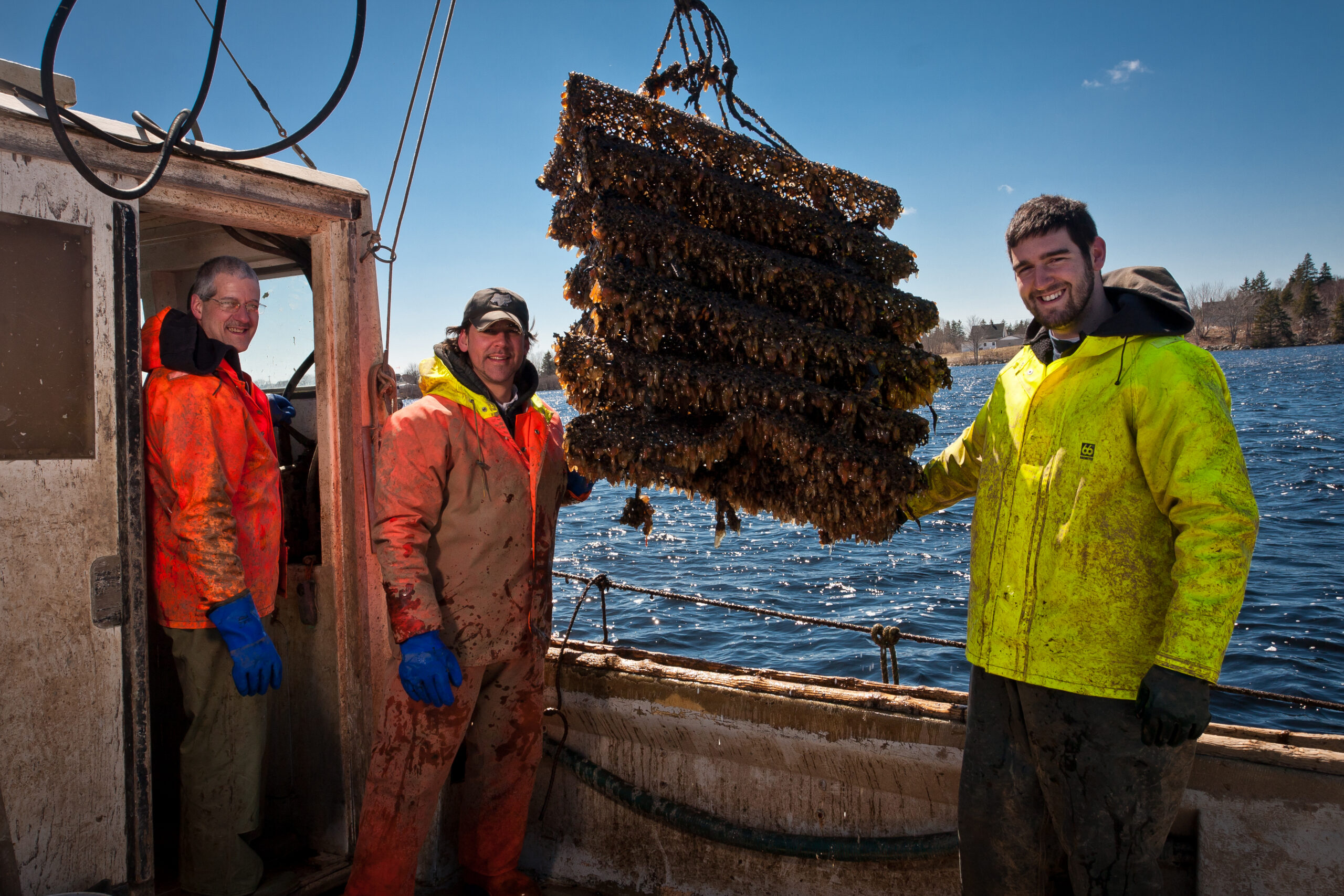
Understanding agriculture and food trade: An overview
Canada is a trading nation, especially in agriculture and food, where we grow and produce more than we can consume domestically.
Visit FCC's site
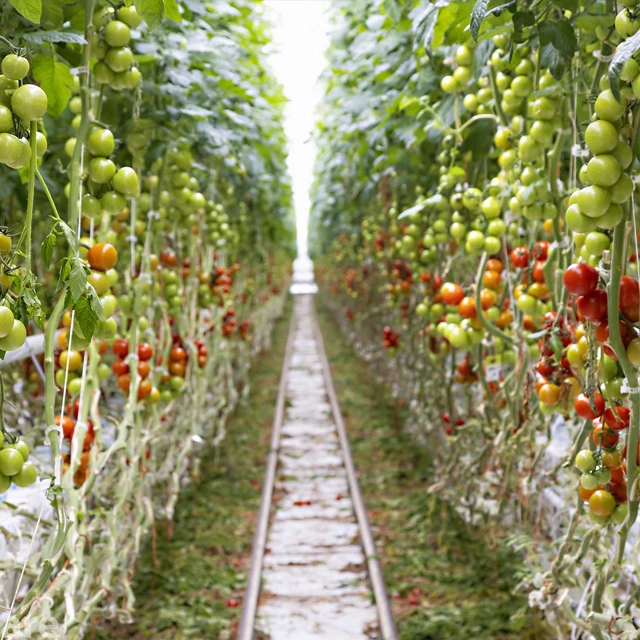
Momentum is building: Canada’s rise in global agri-food
The Global Agri-Food: Most Influential Nations Rankings measures the agri-food influence of G20 members using a three-tier system across six performance pillars.
Visit MNP's site
 Previous: Use, Preparation, and Consumption
Component 7 of 8: Trade: Import and Export
Next: Waste and Recovery

Get Involved
Be Part of the Conversation
Learn more about Canada's Food System, share what you've discovered and join thousands of Canadians supporting the people behind our food.

