








Food Choices
The factors that shape how Canadians choose and purchase food.

Food Preparation
How storage, handling, and preparation fit into the broader food system.

Food Information
Labels and trusted resources that help Canadians understand their food.

Food Waste
How household choices influence food waste and resource use.

Trusted Information
Credible resources for food safety, nutrition, preparation, and more.

Use, Preparation, and Consumption
Consumers Are Part of the Food System
Canada’s Food System doesn’t end when food reaches a grocery store, restaurant, or household. How Canadians choose, prepare, consume, and manage food is part of the system, too. Consumer needs and preferences influence what food businesses offer, while everyday decisions about food can affect demand, food waste, and the broader food system.
“We are so lucky to live in Canada with strong regulations on food products.”
– Teri G.
16.83%
Household spending
Allocated to food in 2025
10.82%
Food purchased from stores
Share of household spending in 2025
6.02%
Food purchased from restaurants
Share of household spending in 2025

Why It Matters
From Purchase to Plate
Once food reaches consumers, choices about purchasing, storage, preparation, consumption, and disposal become another important part of the food system. Understanding this stage helps show how consumers connect to the many people and businesses involved in producing, processing, moving, selling, and serving food.

Canadians make food choices based on many factors, including price, availability, nutrition, convenience, culture, taste, and personal preferences. Together, these choices help shape demand throughout the food system and influence the products and services available to consumers.
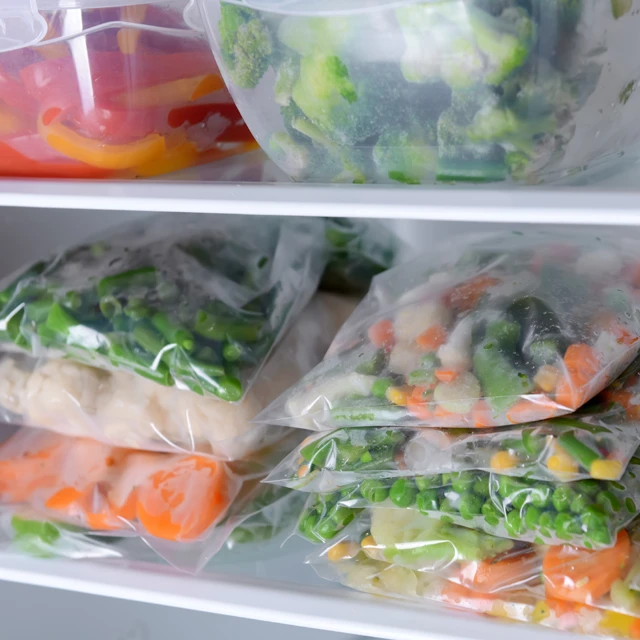
Food safety continues at home through proper handling, storage, and preparation. For detailed guidance on safe food handling and cooking, Canadians can turn to trusted resources from Health Canada and the Canadian Food Inspection Agency.
Food labels connect Canadians with important information about the products they purchase, including ingredients, nutrition, allergens, and storage. Health Canada and the Canadian Food Inspection Agency provide detailed guidance to help consumers understand food labels and make informed choices.
Food waste can occur at every stage of the food system, including in Canadian households. How food is purchased, stored, prepared, and managed at home can influence how much goes uneaten and how efficiently resources are used across the system.
Canadians have access to trusted resources for detailed information about food safety, nutrition, labels, storage, and preparation. Government organizations such as Health Canada and the Canadian Food Inspection Agency provide science-based guidance and regulatory information, while Canadian Centre for Food Integrity members and other food-system organizations offer resources to help Canadians learn more about their food.




Explore Resources
Explore More From Industry Organizations
Learn more from the people, businesses and industries that keep Canada’s Food System moving.
Safe Food Handling
Bacteria are all around us. While most are harmless to humans (some are even beneficial), others can make you sick.
Visit Turkey Farmers of Canada's site
Taking Stock: Beef for the Fridge & Freezer
Stocking the fridge or freezer with beef saves on trips to the store, and it can save you money as well by taking advantage of bulk-buy and/or sale pricing.
Visit Canada Beef's site
How should I store my eggs?
Proper storage is key to keeping eggs fresh and ensuring their quality.
Visit Get Cracking's site
 Previous: Retail and Food Service
Component 6 of 8: Use, Preparation, and Consumption
Next: Trade: Import and Export

Get Involved
Be Part of the Conversation
Learn more about Canada's Food System, share what you've discovered and join thousands of Canadians supporting the people behind our food.

