Why it Matters
Understanding Food Affordability in Canada
Food prices are influenced by many factors. Learn what affects food affordability in Canada and how Canada’s Food System works to deliver safe, nutritious food as efficiently as possible.
Why it Matters
Food prices are influenced by many factors. Learn what affects food affordability in Canada and how Canada’s Food System works to deliver safe, nutritious food as efficiently as possible.
The Basics
Food affordability in Canada is influenced by every stage of the food system. Weather, transportation, labour, energy costs, processing, packaging, supply chain disruptions, global markets, government policies, and consumer demand all play a role in food prices and the affordability of food for Canadians.

Price Factors
Every stage of Canada’s Food System plays a role in what you pay at the till.

Weather, pests, disease, fuel, fertilizer, feed costs, and growing conditions all influence food production.

Turning raw ingredients into finished food requires equipment, energy, and labour.

Canada’s geography means food often travels long distances, making fuel costs, infrastructure, and logistics important factors.

Stores manage staffing, refrigeration, inventory, and operating costs.

Trade, exchange rates, worldwide supply, and global events influence food prices.

Buying habits, population changes, and seasonal demand can affect availability and pricing.
Food prices are just one part of the decision Canadians make every time they shop. Nutrition, quality, freshness, convenience, and personal preferences all play a role in choosing the foods that are right for you and your household.
Understanding how Canada’s Food System works, from production and processing to transportation and retail, can help provide context for why prices vary between products and over time. Understanding these factors can help provide useful context for how and why food prices change.
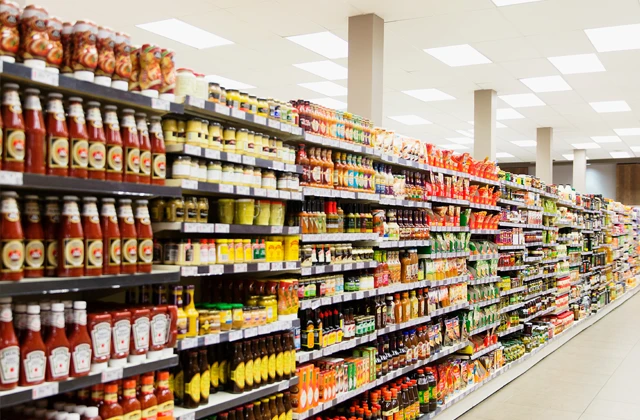
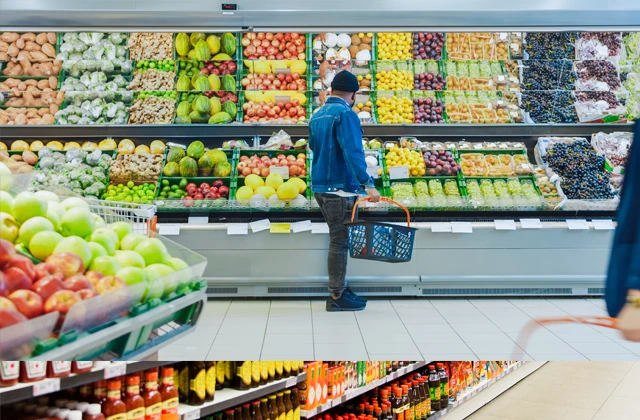
Food prices are a real and important pressure for Canadian households. At the same time, food affordability is connected to the many factors involved in maintaining access to a safe, nutritious, and reliable food supply. Production, processing, transportation, retail, and other stages of the food system all contribute to the cost and availability of food.
While food prices can fluctuate due to factors like weather, transportation costs, labour, and global markets, the goal remains the same: helping Canadians access the food they need today while supporting a strong food system for the future.
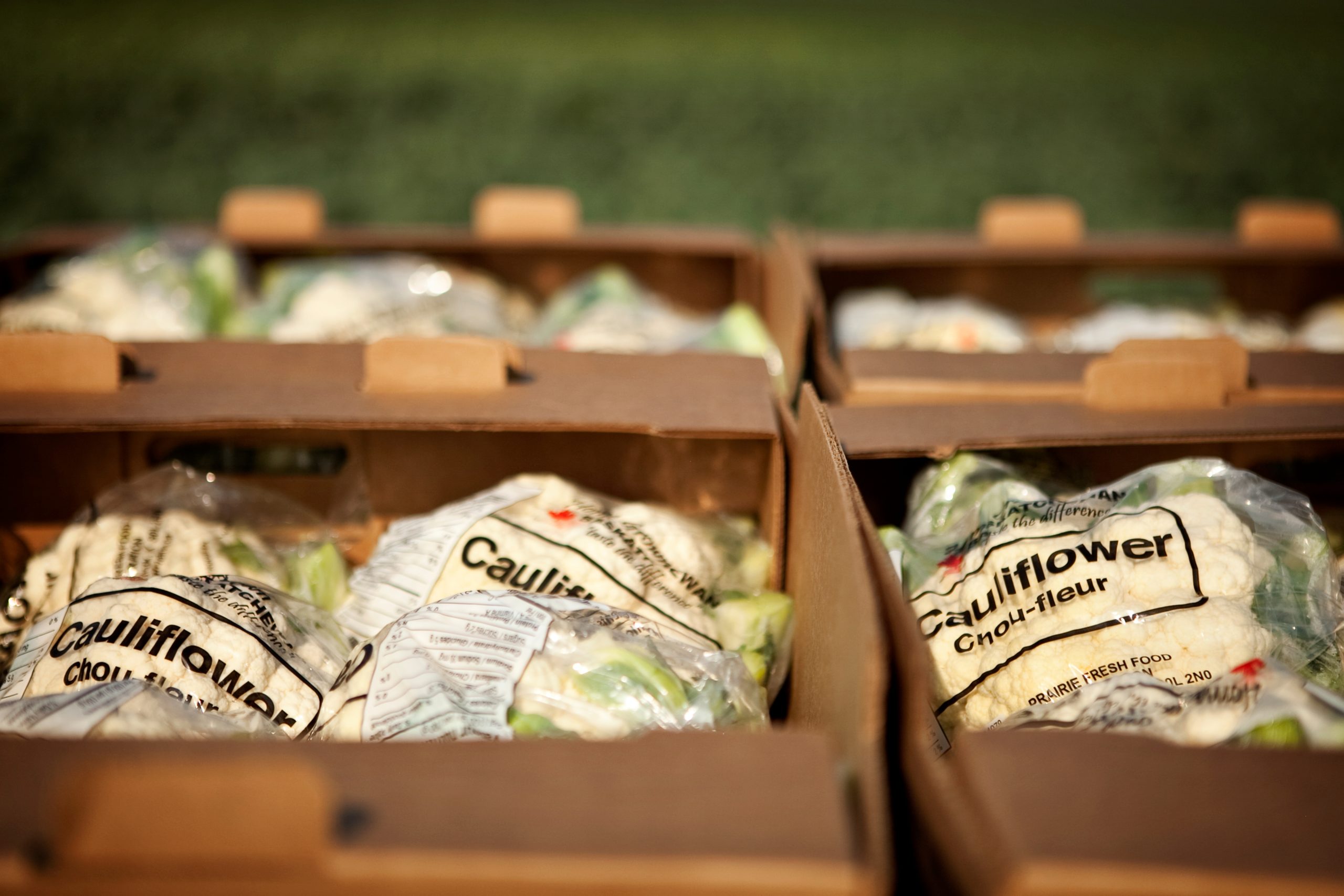
Food affordability depends on production costs, transportation, supply chains, market conditions, and household purchasing power.
Get Involved
Learn more about Canada's Food System, share what you've discovered and join thousands of Canadians supporting the people behind our food.