Why it Matters

Food Safety and Quality

From primary production and food manufacturing to government inspection, grocery stores, and restaurants, people and organizations across Canada’s Food System work every day to help ensure food is safe, reliable, and high quality.

Food Safety Standards

Why Canadians Can Trust Their Food

When you crack an egg into a frying pan, pour a glass of milk, or order a burger at your favourite restaurant, you expect your food to be safe. That confidence is also supported by a comprehensive regulatory system. Health Canada establishes federal food safety policies and standards, while the Canadian Food Inspection Agency (CFIA) administers and enforces many federal food requirements through inspection, compliance, and other oversight activities. Provincial and territorial authorities also play important roles across the system.

Why Trust

On-Farm Practices

On-Farm Food Safety in Practice

Food safety is supported by standards, oversight, and practices at every stage of Canada’s Food System. The following programs are examples of how different sectors put those responsibilities into practice at the production level. Similar safeguards continue through processing, transportation, retail, food service, and other stages of the system.

Tractor icon representing farming

Dairy: proAction®

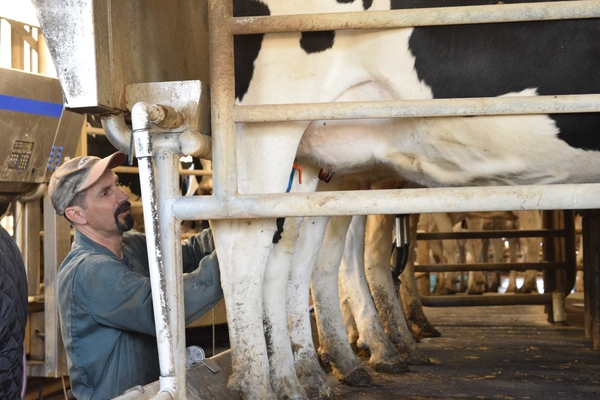
On dairy farms across Canada, farmers follow a national program called proAction®. This program guides everything from food safety and milk quality to animal care and environmental stewardship. It also outlines steps like preventing risks of contamination or spoiling, monitoring animal health and comfort, and more.

Truck icon representing transportation

Eggs: Start Clean–Stay Clean®

Egg farmers take a similar approach with the Start Clean–Stay Clean® on-farm food safety program. It’s all about preventing risks before they reach the carton. Farmers monitor barn cleanliness, egg storage, pest control, and more. Independent audits help verify that those standards are being followed, supporting the safety and quality of the eggs Canadians buy.

Cafeteria/institutional food icon

Beef: Biosecurity Practices

Beef producers care deeply about keeping animals healthy and food safe, and biosecurity is a big part of that commitment. The Canadian Cattle Association shares best practices for reducing risks, from controlling how people and equipment move on farms to how cattle health is carefully monitored. These behind-the-scenes steps might not be visible at the grocery store, but they play a crucial role in protecting both the animals and the food that ends up on your plate.

Food Safety Happens at Every Step

The care doesn’t stop once the food leaves the farm. At the processing stage, additional regulatory and industry safeguards come into play, with facilities operating under applicable provincial or federal requirements. The Canadian Food Inspection Agency (CFIA) plays a central role in federal inspection, compliance, and enforcement across many parts of the food system.

Eggs are examined, cleaned, and graded before they ever reach a carton. In Canadian dairy and beef processing plants, systems like Hazard Analysis and Critical Control Points (HACCP) are used to spot and control potential risks at every stage.

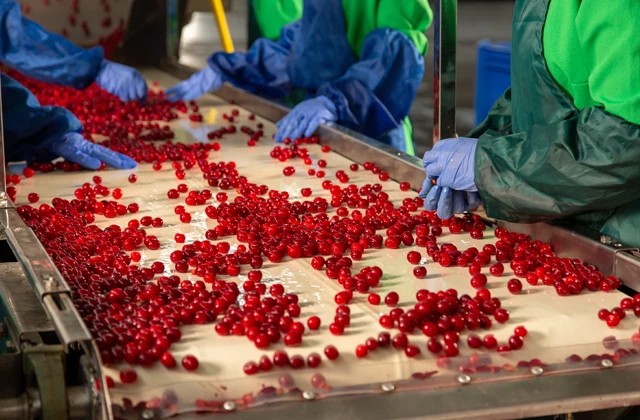
Canada’s food, beverage, and consumer goods industry continues to prioritize safety through rigorous national standards and oversight. Companies work closely with government regulators and stakeholders to maintain compliance with robust frameworks such as Good Manufacturing Practices (GMP) and the Chemical Management Plan, helping products meet applicable safety and quality requirements before reaching consumers. From allergen management to combating counterfeit goods, these systems create an unbroken chain of accountability and protection — so Canadians can trust the safety and quality of the products they bring into their homes.

Food Safety
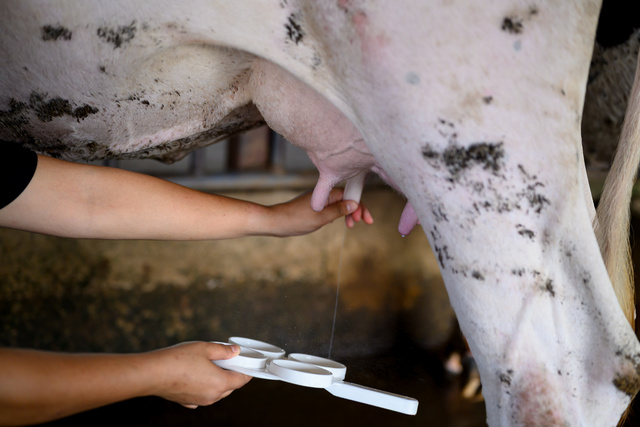
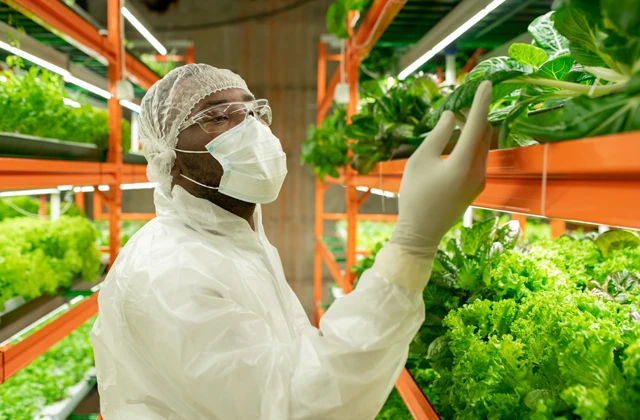
Closeup Dairy Worker Applying Milk Quality Testing Before Milking Process In Farm

Food Safety in Daily Life

Every safe, reliable bite is the result of countless people doing things right, not just occasionally, but every single day.

In practice, safe food in Canada looks like:

  • A farmer disinfecting a barn before new chicks arrive
  • Milk truck drivers sampling milk for trace-back before taking it from a farm
  • A CFIA inspector verifying that a facility meets applicable food safety requirements
  • Lab technicians testing milk from the truck to clear it for unloading and processing
  • Processors running safety checks on a batch of yogurt or cereal
  • Grocery stores working to ensure the products they sell meet applicable Canadian food requirements

Why Canadian Food Safety Matters

Food safety requirements and assurance programs vary across sectors and stages of the food system. Some are required by regulation, while others are industry-led programs supported through audits, verification, and continuous improvement. Together with government inspection and oversight, these layers help maintain consumer confidence in Canada’s food supply.

Why Safety

Canadian Food Safety and Quality FAQ

Canadian Food Safety Faq

Canada has a comprehensive food safety system supported by federal, provincial, and territorial regulation and oversight. The Canadian Food Inspection Agency, food producers, manufacturers, distributors, retailers, and others all play roles in helping ensure food meets rigorous Canadian safety and quality requirements before it reaches consumers.

Get Involved

Be Part of the Conversation

Learn more about Canada's Food System, share what you've discovered and join thousands of Canadians supporting the people behind our food.